How Giovanni Hashimoto Is Gaining Attention
Your Guide to Earning a Bachelors Degree Overseas
Managing the path to securing a bachelor's degree abroad demands thoughtful attention to numerous aspects. Applicants need to consider countries and universities based on academic standards, financial aid opportunities, and cultural fit. Being aware of visa prerequisites is vital for a successful adjustment. Still, the adventure encompasses much more than planning. Acclimating to new settings and preserving ties to one's homeland serve as key elements in influencing the student experience. What obstacles and possibilities lie ahead for students embarking on this journey?
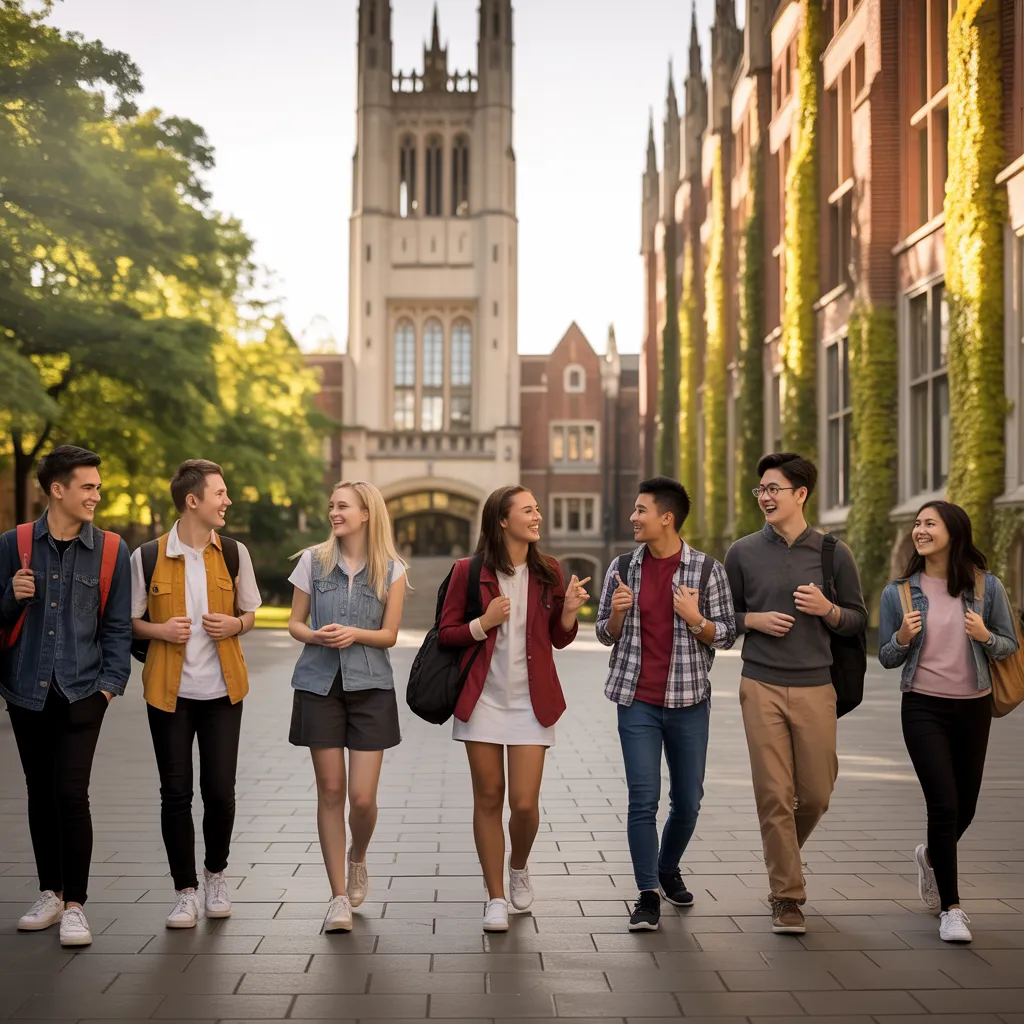
What Key Factors Should You Evaluate When Selecting a Country?
When choosing a country for a bachelor's degree abroad, what key factors should one consider? For starters, the educational quality is of utmost importance; prospective students should research academic rankings, instructor expertise, and the curriculum's relevance to their area of study. Additionally, language is a significant factor; students should determine whether they are confident enough to study in the regional language or if English-taught programs exist.
Cultural fit is another significant factor; understanding the society, customs, and lifestyle can greatly influence the overall experience. Furthermore, safety and political stability are critical factors to consider; students are encouraged to examine the country's safety standing and existing political landscape. Lastly, closeness to home and available travel options can influence personal preferences and general satisfaction. By weighing these factors carefully, students can make informed decisions that align with their academic and personal aspirations.
How to Access Funding and Scholarships for Your Study Abroad Journey
Obtaining financial aid and scholarships is crucial for those seeking a bachelor's degree in a foreign country. A wide range of scholarships can be found, addressing diverse requirements and eligibility criteria, and understanding these options can greatly enhance financial accessibility. Additionally, utilizing strong application approaches can increase the likelihood of success in the competitive scholarship landscape.
Kinds Of Scholarships Available
When seeking a undergraduate degree abroad can be a transformative experience, being aware of the various scholarships offered is crucial for handling expenses. Numerous scholarships are designed to meet varying needs and conditions. Merit-based scholarships reward academic excellence, while need-based scholarships assist students with financial find now challenges. Certain universities provide dedicated scholarships for international students to promote inclusivity. Additionally, government-funded scholarships, such as Fulbright or Chevening, provide considerable support for study abroad. Independent organizations and charitable foundations further supply funding via scholarships focused on specific sectors or locations. In addition, some countries offer scholarships to attract foreign talent, making higher education more accessible. Researching these alternatives can considerably lighten the economic challenges associated with studying overseas.
Helpful Tips For Application Success
Mastering the scholarship application process can significantly improve a student's likelihood of obtaining funding for international study. To improve their prospects, students should start by exploring various scholarships that align with their scholarly ambitions and personal histories. Crafting a compelling personal statement is crucial; it should precisely express goals and ambitions. In addition, acquiring compelling endorsements from mentors or professors can provide valuable support. Students must also carefully observe application due dates and specifications, guaranteeing all components are filed punctually. Moreover, showcasing relevant experiences, such as extracurricular activities or professional training, can make an applicant stand out. Finally, adopting a structured strategy allows for thorough management of applications and correspondence, thus enhancing the prospects of obtaining financial support.
Navigating Visa Requirements for Your Selected Country
Grasping visa requirements is essential for students planning to study abroad. Different countries have various types of student visas, each with specific criteria and application processes. Working through these regulations can considerably influence a student's ability to pursue their education internationally.
Student Visa Types
Navigating the realm of student visas is essential for prospective students pursuing a college education abroad. Different countries offer different categories of student visas, each with distinct requirements and privileges. For instance, the F-1 visa in the United States permits students to engage in full-time studies, while the Tier 4 visa in the United Kingdom serves a similar purpose. Some countries, like Canada and Australia, have established visas that enable students to take on part-time work alongside their education. Furthermore, various countries could have unique stipulations based on the length of the program or whether the educational institution holds proper accreditation. Understanding these differences is essential for students planning to study abroad to guarantee compliance and select the right visa for their educational journey.
Summary of the Application Process
Navigating the application process for a student visa requires careful attention to the specific requirements of the chosen country. Each nation has distinct regulations, documentation, and timelines that must be adhered to. Generally, candidates must gather essential documents such as enrollment confirmation, financial statements, and health insurance. Additionally, some countries may require a language proficiency test or a medical examination.
It is essential for prospective students to initiate the application process well in advance, as visa processing times can fluctuate considerably. Familiarizing oneself with the embassy or consulate's guidelines is also critical, as they supply comprehensive guidance and current information on necessary requirements. Ultimately, diligent preparation paves the way for a smoother journey toward pursuing studies abroad.
How to Choose a University That Aligns With Your Goals?
What is the best way to select a university that matches one's academic and professional goals? To begin, prospective students should clarify their personal objectives, such as preferred fields of study and intended career directions. Researching universities with strong programs in those areas is vital. They can utilize online resources, academic rankings, and alumni networks to assess the quality of education offered.
Moreover, aspects like available extracurricular activities, location, and campus culture should be considered. A supportive environment can significantly improve the entire academic journey. Furthermore, potential enrollees should evaluate the university's connections to sectors pertaining to their areas of study, as internship programs and networking connections can prove essential to career development.
Ultimately, taking into account monetary factors, including tuition and living costs, is vital. By assessing these considerations, students can form educated judgments that align with their aspirations, securing a meaningful and accomplished study experience in a foreign country.
Adjusting to Cultural Distinctions in Your New Surroundings
When adapting to a new culture can be difficult, accepting the distinctions can lead to meaningful discoveries. Students living overseas often encounter unique customs, linguistic differences, and societal standards that may appear intimidating in the beginning. To handle these cultural changes, it is crucial to approach new experiences with an receptive attitude and a willingness to learn. Engaging with local communities, joining local festivities, and building connections with native inhabitants can promote greater awareness and respect of the local culture.
Furthermore, maintaining a balance between upholding one's own cultural identity and adapting to the new environment is vital. Curiosity and open communication can help close divides and ease feelings of disconnection. As individuals accept the uncharted, they often develop resilience and adaptability, skills that are invaluable both in personal and professional spheres. Ultimately, these transformative experiences can enrich one's education and broaden perspectives, making the journey of studying abroad truly transformative in every sense.
What to Expect While Studying Abroad?
Going to school abroad presents a remarkable blend of excitement and uncertainty, as scholars commonly end up in unfamiliar educational and cultural environments. These individuals could face varying pedagogical methods, which could range from collaborative group work to self-directed studies. Students should be prepared for differing requirements regarding engagement and submission timelines.
Socially, the adjustment can be equally transformative. Meaningful new relationships may blossom, but navigating diverse cultural norms and communication styles can create certain difficulties. At first, students may experience feelings of homesickness or isolation, but such emotions tend to fade as they become part of their new surroundings.
Additionally, handling routine activities, including understanding the local transit system and cultural norms, can be intimidating yet enriching. Students are encouraged to build resilience and problem-solving skills as they navigate these transitions. Ultimately, the process nurtures self-development and a wider perspective, making every obstacle worth overcoming.
How to Stay Connected With Home During Your Studies
Keeping in contact with loved ones during foreign studies is essential for emotional well-being and support. Learners can leverage modern technology to close the gap, utilizing video communication, instant messaging, and social networking platforms to share experiences and keep loved ones updated. Arranging frequent communication sessions can build a soothing pattern, making it easier to navigate the challenges of studying in a new environment.
In addition, students should consider joining local expat groups or organizations, which can offer a support network and mutual experiences. Sending postcards or care packages can also reinforce connections and establish a meaningful tie to home. Engaging in cultural activities that bring them closer to their origins, such as making traditional dishes or marking holidays, cultivates a sense of belonging. By intentionally sustaining these bonds, students can enrich their overall study abroad adventure, guaranteeing they feel supported and less alone during their scholarly pursuits.
Frequently Asked Questions
Which Countries Are Ideal for International Students?
Several countries are renowned for welcoming international students, including Australia, Germany, Canada, the United Kingdom, and the United States. Such destinations present varied academic programs, unique cultural encounters, and valuable opportunities for both personal and scholarly advancement.
How Do I Locate Student Accommodation Overseas?
To secure international student lodging, prospective tenants should explore campus housing opportunities, online housing platforms, and local listings. Building connections with classmates and seeking recommendations can also provide helpful guidance into appropriate housing options.
Am I Allowed to Work During My Studies Overseas?
Indeed, a large number of international students can work while pursuing their studies overseas, based on the relevant visa restrictions. Part-time work opportunities can offer worthwhile practical experience and support general living costs, but carefully managing academic and work obligations is crucial for maintaining strong academic performance.
What Type of Health Insurance Do I Need When Studying Abroad?
Students studying abroad usually must have comprehensive health coverage that includes coverage for medical emergencies, hospitalization, and repatriation. It's crucial to check the host country's requirements and confirm the plan covers coverage for routine care and pre-existing conditions.
How Can I Improve My Language Skills Before Leaving?
To develop linguistic proficiency before going abroad, one should participate in consistent practice through language exchange programs, apps, online courses, and hands-on experiences with native speakers. Exploring books and watching movies in the target language additionally offers tremendous value.